Aftermath (Part 3)
April 29, 2022 By Ruth Misori
I wanted emotional support, so I typed in malaria survivor stories, which took me to various websites that probably took hours to read and reread. Some of the stories were similar to my dad’s while others had alternative endings. Some lived and some died, and there were people from all walks of life: Men, women, adults, children, rich, poor, natives, foreigners, and so forth. Malaria is a horrible disease that doesn’t discriminate! It doesn’t matter if you’re a child, an infant, a parent, a student, a doctor, or whatever you are! Recovery is not always promised once infected.
There are several strains of malaria, and you don’t get to choose which one you have or what ending you experience. My father once assumed that because he’s from Africa, that he’ll never get sick, and years later he almost died of the P. falciparum strain that was destroying his bloodstream! Wake up! While this mostly happens in developing countries, people from all over the world are still getting it. People you know may have fought this disease or knows someone who has! And death has no eligibility requirements, just recipients and the only awards are communal loss. This results in devastation and are countless!
It is your responsibility as an international traveler to do your research when going to any of those countries with high risks of malaria. Don’t wait until the last minute or until it’s too late. Please consult your primary care doctor or a licensed health care professional to discuss malaria prevention. Also, further discuss treatments that are available to you in the event that you do become sick. The most ideal time to do this at least two or three weeks prior to departure, and this is not including other travel vaccinations that you may be required or recommended to take way beforehand.
Do not rely on the word of mouth because people constantly spread misinformation that could cause you to jeopardize your health. The next step is to apply mosquito-repellant spray or cream to exposed skin, such as your arms and legs. Reapply it several times a day or until you feel it’s satisfactory. Then, use a malaria mosquito net for your bed whenever you rest, and make sure that the top of the net is tightly secured (Preferably on your fan) and the bottom of the net are neatly tucked underneath your bed mattress.
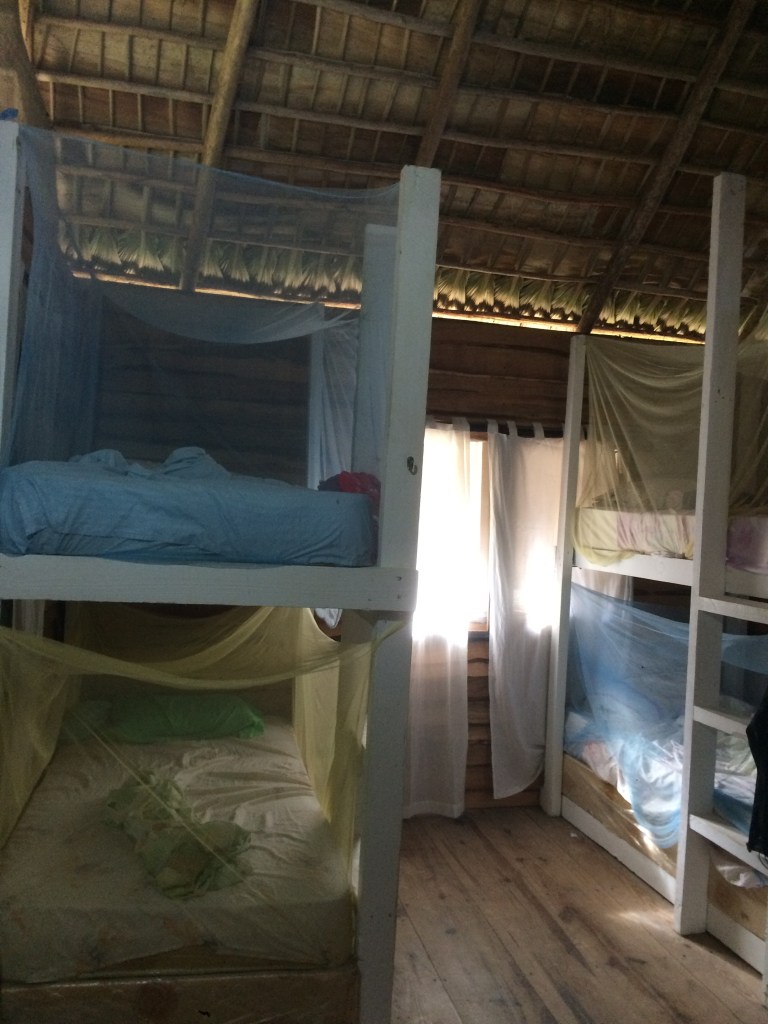
This could also work for bunks beds. Check your net to see if it’s in good condition (meaning they’re not torn). Mosquito nets do tear easily so it’s imperative that you change it multiple times every few weeks. Lastly, discuss any concerns that you have about malaria by asking your health care provider questions, including the potential side effects from the prescriptions you will take. Don’t be shy about any of your inquiries because he or she won’t be offended by them and are well-equipped to give you their best medical expertise, so trust them.
Once you leave your appointment(s), you will have received your prescriptions or vaccines, as well as some travel information which lists common illnesses in the country(ies) of your destination. Go over them carefully and follow all of your physician’s instructions regarding how to take your prescriptions before, during, and after you leave your destination(s). The most important piece of advice is to have fun. After reading all of this information it might be easier said than done, but I believe that one can still manage to enjoy his or her trips while following these steps. I just want people who do travel internationally to be cautious about malaria.
Flash forward to two months after father’s malaria infection, he completely recovered and was back to himself. I am extremely grateful to know that my dad’s life is in God’s hands and that He worked in our favor by restoring his health from malaria. I am especially grateful that despite his experience, we weren’t aware at the time until he returned home, because how do you inform a fourteen-year-old that her father is dying across the transatlantic ocean? More importantly, how does one go abroad to celebrate the life of a late relative while unknowingly preparing for his own demise? If dad had lost his earthly life, I don’t know what I would do. Who would notify us of his death since we didn’t have his relatives’ contacts? How would my siblings react? How would we quickly obtain passports and expedited visas? How would we arrange his funeral? Who would anoint our foreheads and bless us with prayers whenever we leave the house?
I may never know the answers to any of these questions, nor will I ever understand how dad found himself in this dire situation. But I do recognize that he is now a living testimony of faith. The following year, dad’s mother passes suddenly, which means he has to travel back to Cameroon to be present for her funeral. My faith is once again being tested as I’m aware of malaria and how fatal it can be, so I pray consistently that my dad will be spared from it this time. The day he leaves for Cameroon, we bid our goodbyes and this time I tell him to ‘be careful’. He nodded understandably and I watched as he went through security so he can wave a final goodbye. He smiled softly as he was waving at the family.
Throughout his entire trip, dad called us regularly, and let us know that his health is great while abroad, which was a blessing. An even greater blessing is that this time he returned to the States malaria-free! Now six years later as I tell my father’s story, I hope that you gain the importance of awareness of this disease and learn something from it. I also take this day on April 25th (World Malaria Day) to dedicate my gratitude to God in honor of my father’s testimony, as well as mourning the loss of millions of people who have died from it. Lastly, I want to use this day to celebrate those who have fought it, pushed through, and survived.


 BeRuthfulandMultiply.com